

What Is a Smart Key Vs Remote Key: is a common question among car owners who want to understand modern vehicle access systems and how they differ in convenience, technology, and security. As cars have evolved from traditional metal keys to advanced digital systems, two of the most widely used technologies today are smart keys and remote keys. Although they may look similar at first glance, they function very differently and offer distinct levels of convenience, security, and automation. Understanding the difference between them helps drivers make better decisions when buying, replacing, or upgrading their vehicle key systems.
Introduction to Modern Car Key Technology
Modern vehicles no longer rely only on simple mechanical keys. Instead, manufacturers have introduced electronic systems that improve security and ease of use. These systems include transponders, remote locking functions, and proximity sensors that allow drivers to unlock, start, and control their cars without physically inserting a key into the ignition.
Two major innovations in this evolution are the remote key and the smart key. Both use radio frequency communication to interact with the vehicle, but their capabilities and level of automation differ significantly. To fully understand what is a smart key vs remote key, it is important to explore how each system works individually before comparing them.
What is a Remote Key?
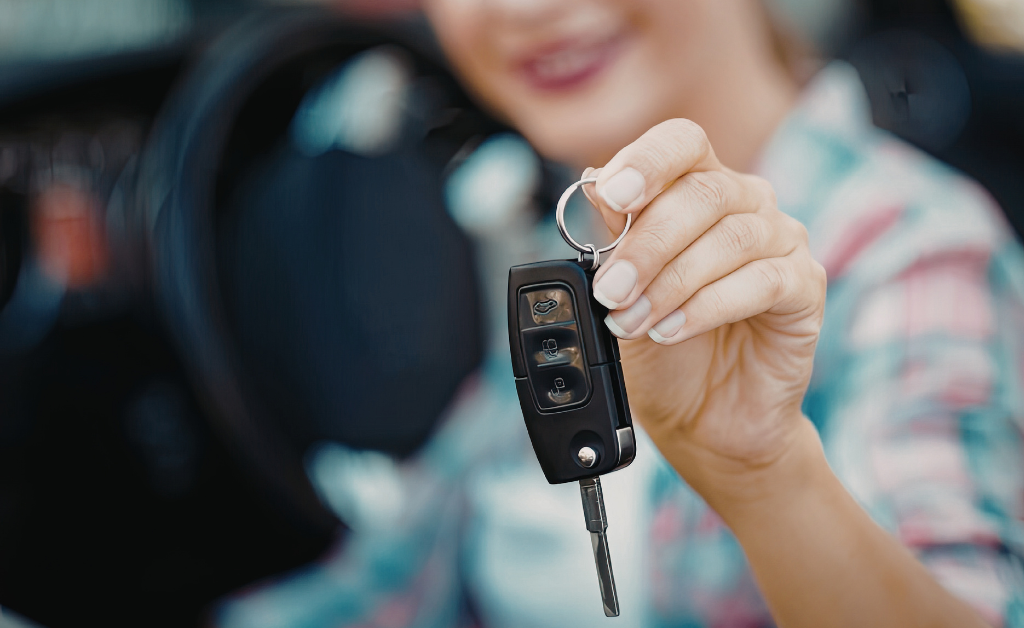
A remote key, often called a key fob, is a modern version of the traditional car key. It combines a physical key blade with electronic buttons that allow the driver to lock and unlock the car remotely. Some remote keys also include a panic button, trunk release, and immobilizer chip for added security.
When you press a button on a remote key, it sends a radio signal to the car’s receiver. The vehicle then performs the requested action, such as locking or unlocking the doors. However, the driver still needs to physically insert the key into the ignition to start the engine in most older or mid-range systems.
How a Remote Key Works
A remote key works using short-range radio frequency signals. Inside the key fob is a small battery-powered transmitter. When a button is pressed, it sends a coded signal to the car. The vehicle’s receiver verifies the code, and if it matches, it executes the command.
Most remote keys also include a transponder chip. This chip communicates with the car’s immobilizer system, ensuring that only the correct key can start the engine. Without the correct signal, the car remains locked from starting, even if someone manages to physically turn the ignition.
Features of Remote Keys
Remote keys generally include basic but useful functions such as:
- Locking and unlocking doors remotely
- Opening the boot or trunk
- Panic alarm activation
- Manual ignition start with a physical key blade
- Basic immobilizer security system
These features make remote keys a significant upgrade from traditional mechanical keys, but they still require manual interaction for starting the vehicle.
What is a Smart Key?
A smart key is a more advanced version of the remote key system. It allows keyless entry and keyless start, meaning the driver does not need to physically press buttons or insert a key into the ignition at all. Instead, the smart key communicates continuously with the car when it is within a certain range.
With a smart key system, the car automatically detects the presence of the key. As long as the key is inside or near the vehicle, the driver can unlock the doors simply by touching the handle and start the engine using a push-button ignition.
How a Smart Key Works
Smart keys operate through low-frequency radio signals and proximity sensors. The car constantly searches for a matching smart key signal in its surroundings. When the key comes within range, the vehicle verifies its identity and enables access.
Once inside the car, the driver can start the engine by pressing a start/stop button. The system ensures that the smart key remains inside the vehicle before allowing the engine to start, which adds an extra layer of protection against theft.
Features of Smart Keys
Smart keys offer a wide range of advanced features, including:
- Keyless entry without pressing buttons
- Push-button engine start
- Automatic unlocking when approaching the car
- Automatic locking when walking away
- Enhanced anti-theft encryption systems
- Personalized driver settings in some vehicles
These features make smart keys highly convenient and modern, especially in premium and newer vehicles.
Key Differences Between Smart Key and Remote Key
To clearly understand what is a smart key vs remote key, it is important to compare their core differences in terms of functionality, convenience, and technologOperation Method
A remote key requires the driver to press buttons to lock or unlock the vehicle. In contrast, a smart key works automatically when it detects proximity, eliminating the need for button pressing.
Ignition System
Remote keys usually require a physical key insertion into the ignition. Smart keys use push-button start systems, allowing the driver to start the engine without inserting anything.
Level of Automation
Remote keys offer partial automation, mainly limited to locking and unlocking. Smart keys provide full automation, including entry, ignition, and sometimes even seat and mirror adjustments.
Security Features
Both systems use encryption and immobilizer technology, but smart keys generally offer more advanced protection. They use rolling codes and proximity verification, making them harder to hack or duplicate.
Convenience
Smart keys are significantly more convenient because they allow hands-free operation. Remote keys require active input from the user every time.
Advantages of Remote Keys
Even though smart keys are more advanced, remote keys still offer several benefits:
Remote keys are more affordable to replace compared to smart keys, making them a cost-effective option for many car owners. They are also simpler in design, which means fewer chances of electronic failure. Additionally, remote keys are compatible with a wide range of vehicles, including older models that do not support smart systems.
Another advantage is durability. Since remote keys are less complex, they tend to be more resistant to expensive repairs or system malfunctions.
Advantages of Smart Keys
Smart keys offer a premium experience with several advantages that improve daily driving convenience. One of the biggest benefits is hands-free access. Drivers can unlock and start their cars without taking the key out of their pocket or bag.
Smart keys also improve security by using advanced encryption technology. This makes it much harder for thieves to clone or intercept the signal. Additionally, many smart key systems can automatically adjust car settings based on the driver’s profile, such as seat position, climate control, and mirror angles.
Another major advantage is speed and efficiency. Since there is no need to manually unlock or start the car, the entire process becomes seamless and faster.
Disadvantages of Remote Keys
Despite being reliable, remote keys do have limitations. The need for manual button pressing can become inconvenient, especially in bad weather or when carrying items. They also lack advanced automation features like proximity unlocking or push-button start.
In some cases, remote keys may also be less secure compared to newer smart systems, especially older models that use simpler encryption methods.
Disadvantages of Smart Keys
Smart keys, while advanced, are not perfect. One of the biggest drawbacks is cost. Replacing or repairing a smart key can be expensive due to its complex technology.
Another issue is battery dependency. Since smart keys rely heavily on internal batteries and continuous communication, a dead battery can temporarily disable access until it is replaced or bypassed.
There is also a slight risk of signal interception in rare cases, although modern encryption has significantly reduced this problem.
Security Comparison
When comparing what is a smart key vs remote key, security plays an important role. Remote keys rely on fixed or rolling codes, which provide decent protection but can sometimes be vulnerable to relay attacks in older systems.
Smart keys, on the other hand, use advanced encryption and proximity detection. The car only unlocks when the key is physically close, reducing the chances of unauthorized access. This makes smart keys generally more secure than remote keys.
Which One Should You Choose?
The choice between a remote key and a smart key depends on your budget, vehicle type, and personal preference. If you own an older car or want a cost-effective solution, a remote key is usually sufficient. However, if you value convenience, automation, and advanced security, a smart key is the better option.
For modern vehicles, smart keys are becoming the standard because of their ease of use and advanced features. However, remote keys are still widely used and remain practical for many drivers.
Future of Car Key Technology
Car key systems are continuously evolving. Many manufacturers are now introducing smartphone-based digital keys, where your phone acts as the car key. This technology may eventually replace both remote and smart keys in the future.
Biometric systems, such as fingerprint or facial recognition, are also being tested in high-end vehicles. These advancements aim to make vehicle access even more secure and convenient.
Frequently Asked Question About What Is a Smart Key Vs Remote Key:
What is a smart key vs remote key in simple words?
A remote key is a key fob that lets you lock and unlock your car using buttons, but you still usually need to insert a key to start the engine. A smart key goes further—it allows keyless entry and push-button start without pressing buttons or inserting a key.
Can a remote key start a car?
In most cases, a standard remote key cannot start the car by itself. It mainly handles locking and unlocking. However, it may include a physical key blade or transponder chip that allows engine starting when inserted into the ignition.
Is a smart key safer than a remote key?
Yes, generally a smart key is considered safer. It uses advanced encryption and proximity detection, making it harder for thieves to duplicate or hack compared to many traditional remote key systems.
What happens if a smart key battery dies?
If the smart key battery dies, the car may not detect it automatically. Most vehicles have a backup method, such as placing the key near a specific area in the car or using a hidden physical key to unlock the door and start the engine.
Can I convert a remote key into a smart key?
In most cases, you cannot directly convert a remote key into a smart key because the vehicle must support smart key technology. However, some cars can be upgraded with aftermarket keyless entry systems, but compatibility varies.
Which is more expensive, smart key or remote key?
Smart keys are usually more expensive to buy, replace, or program because they use advanced technology and require specialized coding. Remote keys are generally cheaper and easier to replace.
Do all modern cars use smart keys?
Not all, but many new and mid-to-high range vehicles now come with smart key systems as standard. Some budget or older models still use remote keys.
Can a smart key unlock a car automatically?
Yes, most smart keys can unlock the car automatically when you approach it, as long as the key is within a certain range and the system is enabled.
Conclusion
Understanding what is a smart key vs remote key helps drivers make informed decisions about their vehicle access systems. While remote keys offer simplicity and affordability, smart keys provide advanced automation, enhanced security, and a more seamless driving experience. Both systems represent important steps in the evolution of automotive technology, and choosing between them depends on individual needs and vehicle compatibility.
As technology continues to evolve, the gap between convenience and security will continue to close, leading to even more advanced and intelligent car access systems in the future.