

The keyword Different Types of Car Keys Explained Uk: refers to the wide variety of car key systems used in modern and older vehicles across the United Kingdom. Over the years, car keys have evolved from simple metal blades to highly advanced electronic devices with encryption and remote communication. Understanding these different types of car keys explained uk helps drivers know how their vehicles work, what security level they have, and what to expect in case of loss, replacement, or programming needs. In this article, we will explore all major car key types used in the UK, how they function, their advantages, disadvantages, and why technology has changed them so dramatically.
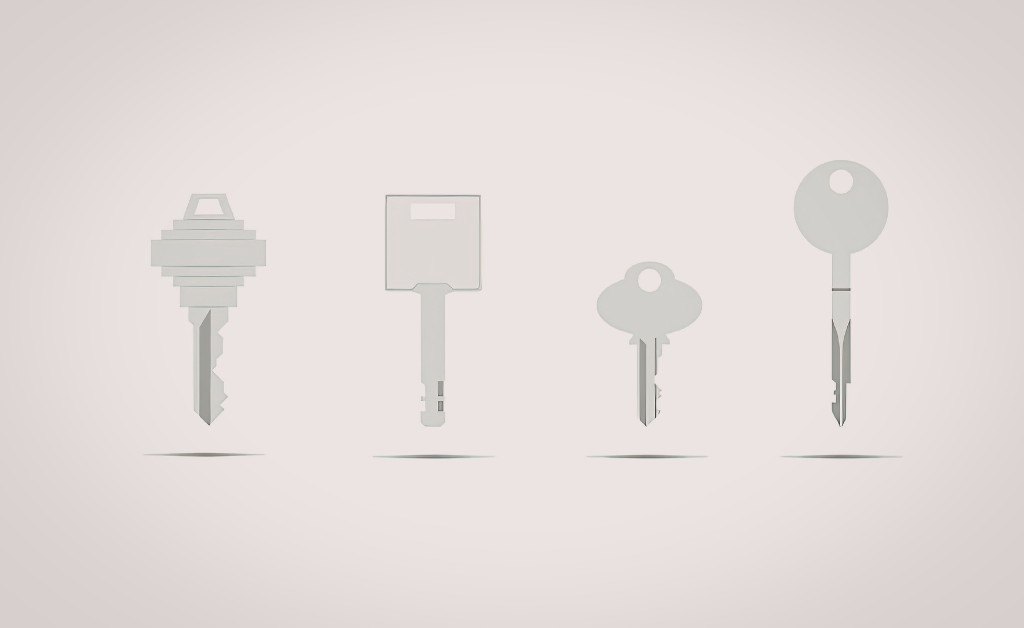
Traditional Mechanical Car Keys Explained UK
Traditional mechanical keys are the oldest and simplest form of vehicle access. When discussing different types of car keys explained uk, these keys are the starting point. They are made entirely of metal and have a unique cut pattern that matches the lock inside the car door and ignition. These keys do not contain any electronic components or chips, making them very basic but also less secure compared to modern systems.
Mechanical keys were widely used in vehicles manufactured before the late 1990s. They work purely through physical alignment inside the lock cylinder. While they are easy and inexpensive to duplicate, they are also more vulnerable to theft because they do not have any electronic security features. In the UK, older classic cars still rely on this system, and replacement is usually quick and affordable through locksmiths or key-cutting services.
Transponder Car Keys Explained UK
When exploring different types of car keys explained uk, transponder keys represent a major advancement in vehicle security. Introduced in the mid-1990s, transponder keys contain a small electronic chip inside the plastic head of the key. This chip communicates with the car’s engine control unit (ECU) when the key is inserted into the ignition.
If the chip’s code does not match the vehicle’s stored code, the engine will not start. This significantly reduced car theft in the UK because hot-wiring became ineffective without the correct programmed chip. Transponder keys still use a traditional metal blade for physical ignition, but their real security lies in the electronic verification system.
These keys must be programmed using special diagnostic equipment, usually by dealerships or professional auto locksmiths. They are more secure than mechanical keys but also more expensive to replace if lost.
Remote Central Locking Keys Explained UK
Remote central locking keys are another important category in different types of car keys explained uk. These keys combine a mechanical blade or transponder chip with remote buttons that allow drivers to lock and unlock the car from a distance.
The remote uses radio frequency signals to communicate with the car’s locking system. When you press the button, the signal is sent to the vehicle, triggering the locks to open or close. Some versions also include boot release functions and alarm activation features.
In the UK, remote keys became standard in most mid-range vehicles during the early 2000s. They improved convenience significantly, allowing drivers to access their cars without physically inserting a key into the door. However, battery failure in the remote is a common issue, requiring periodic replacement.
Smart Keys and Keyless Entry Systems Explained UK
Smart keys are one of the most advanced categories in different types of car keys explained uk. These keys allow keyless entry and keyless ignition, meaning the driver does not need to physically insert the key into the vehicle.
Instead, the smart key communicates continuously with the car using low-frequency signals. As long as the key is inside or near the vehicle, the doors can be unlocked by touching the handle, and the engine can be started using a push-button start system.
Smart keys offer high convenience and modern security features, but they also come with risks such as signal hacking or relay theft. In the UK, many luxury and modern vehicles use this system, including brands like BMW, Mercedes-Benz, and Audi. Replacement and programming of smart keys are usually more expensive and require specialist equipment.
Flip Keys Explained UK
Flip keys are a popular hybrid design included in different types of car keys explained uk. These keys combine a remote control and a folding metal blade that flips out when needed. The mechanism works using a spring-loaded button that releases the key blade from the fob.
Flip keys are widely used by manufacturers such as Volkswagen, Ford, and Vauxhall. They provide a compact design, making them easy to carry in pockets without damaging the key blade. They usually include remote locking buttons and sometimes a transponder chip for engine security.
One of the advantages of flip keys is durability and convenience. However, the folding mechanism can wear out over time, and the internal buttons may stop working due to frequent use.
Proximity Keys Explained UK
Proximity keys are closely related to smart keys and are an essential part of different types of car keys explained uk. These keys allow the driver to unlock and start the car without physically using the key at all.
The system detects when the key is near the vehicle, usually within a few feet. Once detected, the doors automatically unlock when the handle is touched. The engine can be started with a push-button ignition system.
Proximity keys are highly secure and convenient, especially for modern UK vehicles. However, they are also more expensive to replace and can be vulnerable to relay attacks, where thieves use signal amplifiers to trick the car into thinking the key is nearby.
Key Cards Explained UK
Key cards are a less common but modern addition to different types of car keys explained uk. Instead of a traditional key shape, these are flat cards similar to credit cards. They are mostly used in certain Renault models and electric vehicles.
Key cards use RFID or wireless communication technology to unlock doors and start the engine. In many cases, they support hands-free entry, where the car unlocks automatically when the card is near the vehicle.
They are highly convenient and compact, but they are also easier to misplace due to their thin design. Replacement can be costly and requires dealership programming.
Valet Keys Explained UK
Valet keys are special limited-function keys included in different types of car keys explained uk. They are designed to give restricted access to the vehicle. For example, a valet key may only unlock the doors and start the engine but will not open the boot or glove compartment.
These keys are commonly provided by manufacturers in luxury vehicles to allow parking attendants to move the car without accessing personal belongings. In the UK, valet keys are less common in modern mass-market vehicles but still exist in some premium models.
They provide an extra layer of privacy and security when handing over the vehicle to third parties.
Emergency Keys Explained UK
Emergency keys are hidden physical blades found inside smart key fobs, making them an important part of different types of car keys explained uk. These keys are designed for backup use when the electronic system fails or the battery inside the key runs out.
They can manually unlock the driver’s door, allowing access to the vehicle. However, they usually do not start the engine unless used in combination with a backup system.
In the UK, emergency keys are a crucial safety feature, especially for keyless vehicles. They ensure that drivers are not completely locked out in case of electronic failure.
Laser Cut Car Keys Explained UK
Laser cut keys, also known as sidewinder keys, are a more advanced mechanical design included in different types of car keys explained uk. Unlike traditional keys, they have a thicker blade with a unique central groove cut using laser technology.
These keys offer higher security because they are more difficult to duplicate. They are commonly used in modern vehicles across the UK and often combined with transponder chips for added protection.
Laser cut keys require specialised machines for duplication and programming, making them more expensive than standard keys.
Why Car Keys Have Evolved in the UK
The evolution of different types of car keys explained uk is mainly driven by the need for improved vehicle security and convenience. In the past, car theft was much easier due to simple mechanical locks. As technology advanced, manufacturers introduced electronic immobilisers, remote systems, and smart key technology to reduce theft risks.
In the UK, insurance companies also encouraged the adoption of transponder systems by offering lower premiums for vehicles with advanced security features. Today, most cars use a combination of electronic and mechanical systems to balance convenience and safety.
Choosing the Right Car Key System
- Understand your vehicle type and compatibility before choosing a car key system
- Decide between traditional keys, remote keys, transponder keys, or smart key systems
- Consider the level of security offered (e.g., immobiliser and anti-theft features)
- Evaluate convenience features like keyless entry and push-button start
- Check the cost of replacement and programming for each key type
- Think about durability and battery requirements (especially for key fobs and smart keys)
- Ensure availability of spare keys and ease of duplication
- Consider the risk of signal hacking with keyless entry systems and choose protective options if needed
- Look at manufacturer recommendations for your specific car model
- Assess long-term maintenance costs, including battery changes and repairs
- Choose a system that balances security, convenience, and affordability
Frequently Asked Question About Different Types of Car Keys Explained UK:
What are the most common different types of car keys explained uk today?
The most common types in the UK include transponder keys, remote central locking keys, flip keys, smart keys, and proximity keys. Older vehicles may still use traditional mechanical keys, but most modern cars now rely on electronic or hybrid systems for better security and convenience.
What is the safest type of car key in the UK?
Among the different types of car keys explained uk, smart keys and proximity keys are considered the safest because they use encrypted communication between the key and the vehicle. They also include immobiliser systems that make it very difficult for thieves to start the car without the correct key.
Can I replace a car key without the original in the UK?
Yes, but it depends on the key type. Mechanical keys are easy to replace without the original. However, transponder keys, remote keys, and smart keys require programming, which usually involves proof of ownership and specialist equipment from a locksmith or dealership.
How much does it cost to replace different types of car keys in the UK?
Costs vary depending on the type. Mechanical keys are the cheapest, usually under £10–£30. Transponder and remote keys can cost £50–£200, while smart keys or proximity keys may cost £200–£500 or more due to programming and security features.
Why do modern car keys need programming?
Modern keys, especially transponder and smart keys, contain electronic chips that communicate with the car’s immobiliser system. Programming ensures that only the correct key can start the engine, which improves security and prevents theft.
What should I do if my car key stops working?
First, check the battery if it is a remote or smart key. If that does not solve the issue, the key may need reprogramming or repair. In many cases, an auto locksmith in the UK can diagnose and fix the problem more affordably than a dealership.
Are smart keys more likely to get hacked?
Smart keys are very secure, but they can be vulnerable to relay attacks where criminals amplify the key’s signal. However, most modern UK cars now include motion sensors in keys and advanced encryption to reduce this risk.
Can I get a spare key for all different types of car keys explained uk?
Yes, spare keys can be made for almost all types. Mechanical keys are easiest, while electronic keys require programming. It is always recommended to have a spare key to avoid emergency lockout situations.
Conclusion
The study of different types of car keys explained uk shows how far vehicle security has advanced over the past few decades. From simple metal keys to intelligent smart systems, each type offers different levels of convenience, security, and cost. Whether you own an older vehicle with a mechanical key or a modern car with keyless entry, understanding how these systems work helps you maintain, replace, and protect your vehicle more effectively.
As car technology continues to evolve, future keys may become fully digital or even smartphone-based, further transforming how drivers in the UK access and secure their vehicles.