
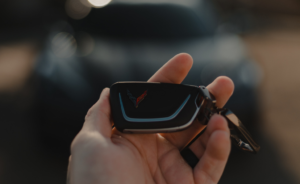
One of the most frequent reasons behind Car not Detecting Key Fob Reasons: is a weak or completely dead battery inside the key fob. Key fobs rely on small coin-cell batteries to transmit signals to the car. Over time, these batteries lose power, especially if the key fob is used frequently or stored in extreme temperatures. When the battery becomes weak, the signal strength drops, and the car may fail to recognize it.
In many cases, the vehicle may still respond intermittently before completely stopping detection. Replacing the battery is usually a simple and inexpensive fix. Most key fobs use CR2032 or CR2025 batteries, which can be replaced at home or by a technician within minutes.
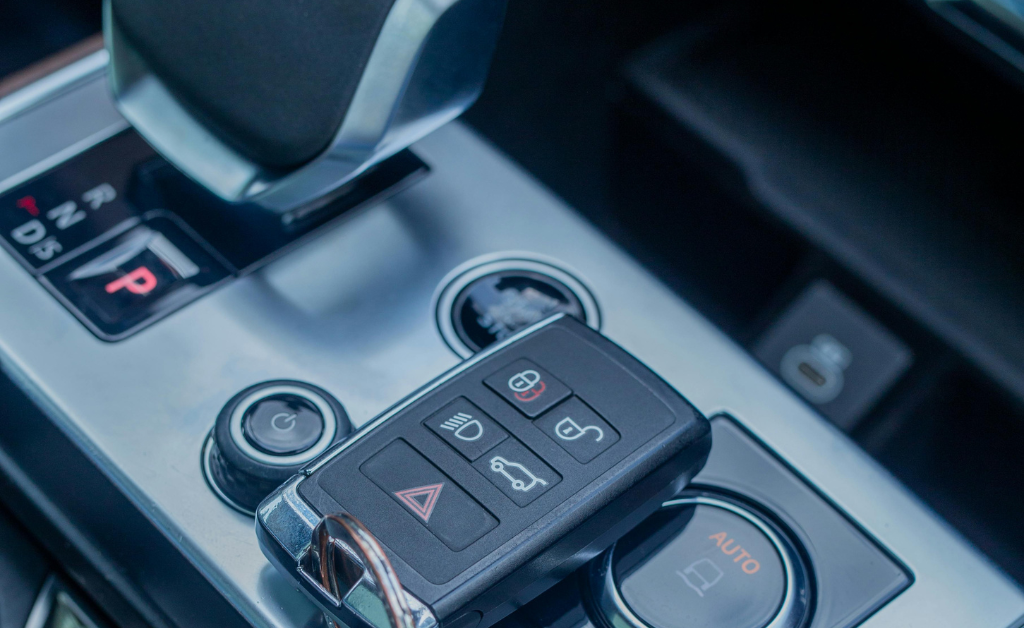
Signal Interference From Electronic Devices
Another major cause of car not detecting key fob reasons is signal interference. Modern environments are full of electronic signals coming from mobile phones, Wi-Fi routers, power lines, and even other vehicles. These signals can sometimes interfere with the communication between your key fob and the car’s receiver.
If you are standing in a crowded parking lot or near strong electronic devices, your key fob signal may get disrupted. Moving a few steps away from the interference source or holding the key fob closer to the vehicle’s start button or door handle can often solve the issue instantly.
Dead Vehicle Battery or Low Power
Many people assume the problem is always with the key fob, but in reality, the car battery itself can also cause car not detecting key fob reasons. If your vehicle’s main battery is weak or completely discharged, the car may not have enough power to detect or respond to the key fob signal.
In push-start vehicles, the system requires a minimum voltage level to activate the receiver module. When the battery drops below that level, even a perfectly working key fob will not be recognized. Jump-starting the car or replacing the battery usually resolves the issue.
Faulty Key Fob Internal Components
Worn-Out Rubber Button Pads
Over time, the rubber button pads inside a key fob can wear down or lose flexibility. This makes it difficult for the buttons to make proper contact with the internal circuit board. Drivers may notice that some buttons respond only after pressing hard or multiple times.
Damaged Internal Circuit Board
The circuit board is the main electronic component inside the key fob. If it becomes cracked, corroded, or physically damaged due to dropping the fob or water exposure, the key fob may stop working completely or function intermittently.
Weak or Broken Battery Contacts
Metal battery terminals inside the key fob hold the battery in place and provide power to the circuit. Bent, loose, or corroded contacts can interrupt the power supply, causing inconsistent locking, unlocking, or push-start operation.
Faulty Transponder Chip
The transponder chip communicates with the vehicle’s immobiliser system. If the chip is damaged or becomes disconnected from the circuit board, the car may fail to recognise the key, preventing the engine from starting.
Water Damage to Electronic Parts
Moisture entering the key fob can damage sensitive internal electronics. Even small amounts of water can lead to corrosion, short circuits, or complete failure of the remote functions.
Loose Solder Connections
Tiny solder joints connect the electronic components to the circuit board. Repeated dropping or heavy use can crack these joints, resulting in buttons that work inconsistently or stop functioning altogether.
Broken Remote Signal Transmitter
The transmitter sends radio signals from the key fob to the car. If this component fails, the vehicle may not receive commands for locking, unlocking, or remote start features.
Damaged Key Fob Antenna
Many modern key fobs contain a small internal antenna that helps transmit signals effectively. A damaged antenna can reduce the operating range or stop communication with the vehicle entirely.
Internal Wear from Frequent Use
Daily handling, pressure, and accidental impacts gradually wear out internal components. Older key fobs often experience reduced responsiveness due to long-term internal deterioration.
Corrosion from Old Battery Leakage
An old or leaking battery can release corrosive chemicals inside the key fob. This corrosion damages the circuit board and metal connectors, often causing permanent internal component failure.Tools
Issues With Car Receiver or Antenna System
Sometimes the issue is not with the key fob at all but with the vehicle’s internal receiver system. Cars use antennas placed in different areas like doors, dashboard, and trunk to detect the key signal. If any of these antennas are damaged or malfunctioning, it can lead to car not detecting key fob reasons.
Electrical faults, wiring issues, or software glitches inside the vehicle can prevent proper communication. In such cases, diagnostic testing is required to identify the exact faulty component. Repairing or replacing the receiver module usually fixes the problem.
Key Fob Out of Sync With Car System
Modern keyless systems use encrypted codes that must stay synchronized between the key fob and the vehicle. If the synchronization is lost due to repeated signal failure, battery replacement, or system reset, the car may stop detecting the key.
This is another technical cause of car not detecting key fob reasons. Reprogramming or resynchronizing the key fob with the vehicle can restore normal function. This process often requires a diagnostic tool or professional assistance from a dealership or automotive locksmith.
Extreme Weather Conditions Affecting Signal
Weather conditions can also play a role in car not detecting key fob reasons. Extremely cold temperatures can reduce battery efficiency inside the key fob, while excessive heat can damage internal components. Moisture from rain or humidity can also interfere with electronic signals.
In winter, you may notice delayed response or complete failure of the key fob. Keeping the key fob at room temperature or using a backup key can help in such situations. Weather-related issues are usually temporary but can become frequent if the device is already weak or old.
Factors About Car not Detecting Key Fob Reasons:
- Weak or dead key fob battery preventing signal transmission
- Damaged transponder chip inside the key fob
- Faulty key fob buttons or internal circuit board issues
- Interference from nearby electronic devices or radio signals
- Car battery voltage being too low to detect the key
- Malfunctioning keyless entry receiver in the vehicle
- Key fob needing reprogramming or resynchronisation
- Water damage affecting the key fob electronics
- Corroded battery terminals inside the key fob
- Physical damage caused by dropping the key fob
- Vehicle immobiliser system faults blocking key recognition
- Software glitches in the car’s security system
- Damaged or loose antenna in the key fob
- Using an unprogrammed or incorrect replacement key
- Dirt or debris preventing proper button contact
- Excessive distance between the key fob and vehicle sensor
Key Fob Being Too Far From the Vehicle
Distance is another simple yet overlooked factor behind car not detecting key fob reasons. Keyless systems are designed to work within a limited range. If you are too far away from the vehicle, the signal may not reach the receiver properly.
This often happens in large parking areas or multi-story garages. Bringing the key fob closer to the car, especially near the start button or door handle, usually resolves the issue instantly. Some vehicles also have specific detection zones, so understanding your car’s system can help avoid confusion.
Software Glitches in the Vehicle System
Modern cars rely heavily on software for key detection. Sometimes, minor system bugs or glitches can cause temporary car not detecting key fob reasons. These glitches may occur after a battery change, system update, or sudden voltage drop.
Restarting the vehicle system, locking and unlocking the doors manually, or disconnecting the car battery for a short time can sometimes reset the system. In more complex cases, a software update from the manufacturer may be required.
Multiple Key Fobs Causing Confusion
If you are using multiple key fobs for the same vehicle, it can sometimes lead to detection issues. The car may prioritize one key over another or fail to recognize signals when both are nearby. This is another possible explanation for car not detecting key fob reasons.
Keeping only one key fob near the vehicle at a time can help identify whether this is the issue. In some cases, reprogramming all key fobs together ensures smooth operation and eliminates signal conflicts.
Damaged Car Keyless Entry Module
The keyless entry module is the central system that processes signals from the key fob. If this module becomes damaged due to electrical faults, water exposure, or wear and tear, it can result in repeated car not detecting key fob reasons.
This is usually a more serious issue and requires professional diagnosis. Repairing or replacing the module can be expensive, but it restores full functionality of the keyless system. Ignoring this problem may eventually lead to complete failure of the vehicle’s locking and ignition system.
Benefits of Understanding Car Not Detecting Key Fob Issues
- Helps you quickly identify whether the problem is with the key fob, car battery, or signal system
- Saves money by avoiding unnecessary dealership visits for simple issues like battery replacement
- Reduces stress during emergencies by knowing basic troubleshooting steps
- Improves awareness of how keyless entry systems actually work
- Allows you to fix minor issues at home without professional help
- Prevents repeated breakdown situations by recognizing early warning signs
- Increases safety by ensuring you are not stranded due to avoidable faults
- Helps you decide when professional repair is actually needed
- Extends the lifespan of your key fob through proper handling and maintenance
Frequently Asked Question About Car not Detecting Key Fob Reasons:
Why is my car not detecting my key fob at all?
This usually happens due to a dead key fob battery, signal interference, or a problem with the car’s receiver system. In some cases, the key fob may also need reprogramming.
Can a weak key fob battery still unlock the car but not start it?
Yes. A weak battery may still allow short-range functions like unlocking doors, but it may not transmit a strong enough signal for engine start detection.
How do I know if my key fob battery is dying?
Common signs include reduced range, delayed response, needing multiple presses, or complete failure to lock/unlock the car consistently.
What should I do if my car doesn’t detect the key fob in an emergency?
Try holding the key fob close to the start button or ignition area, as many cars have a backup sensor that can detect a weak signal.
Can a mobile phone block my key fob signal?
Yes, in some cases smartphones, Wi-Fi devices, or other electronics can interfere with the signal, especially in crowded areas.
Do I need to reprogram my key fob after changing the battery?
Usually no, but if the car still does not detect it after a battery change, reprogramming may be required.
Can cold weather affect key fob detection?
Yes, low temperatures can weaken the battery and reduce signal strength, making detection unreliable.
Is it expensive to fix key fob detection issues?
It depends on the cause. Battery replacement is cheap, but repairing the car’s receiver module or replacing the key fob can be more costly.
Conclusion
Understanding car not detecting key fob reasons helps vehicle owners quickly identify and resolve issues without unnecessary stress. In most cases, the problem is simple, such as a dead battery or signal interference. However, more complex issues like receiver faults or system glitches may require professional attention. Regular maintenance of your key fob, timely battery replacement, and careful handling can prevent most of these problems and ensure smooth, reliable access to your vehicle.